
Wallace Herndon Smith
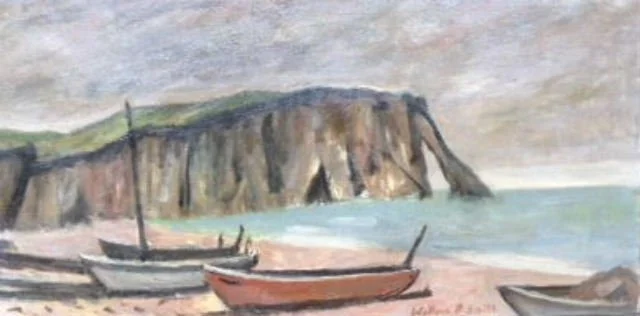
Bluffs with Boats Pastel on canvas 19 x 35 ½ inches
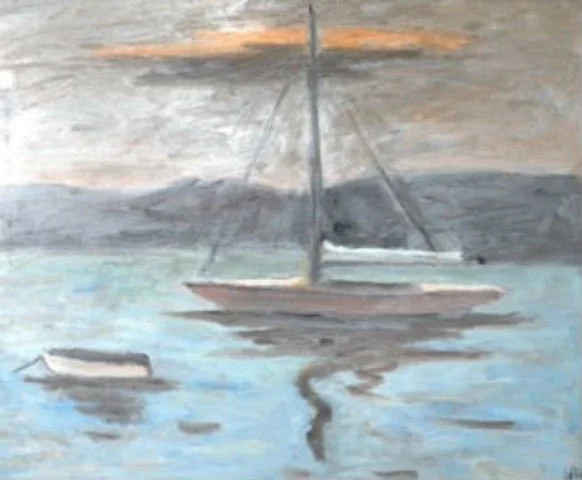
Boat in Harbor I Pastel on board 24 x 28 ½ inches
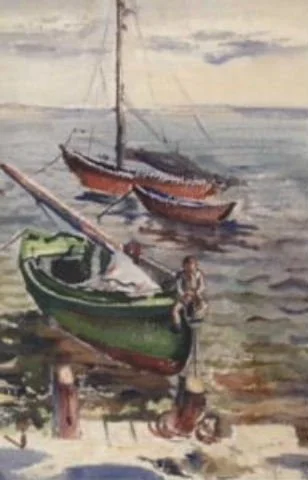
Boat in Harbor II Watercolor 21 x 14 inches
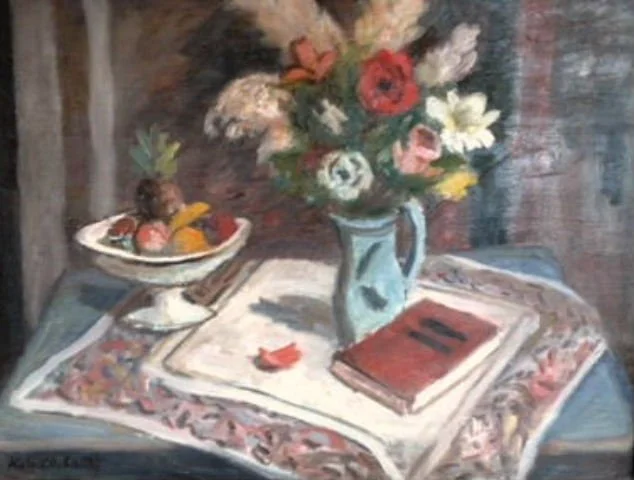
Flower Still Life Oil on board 27 x 35 ½ inches
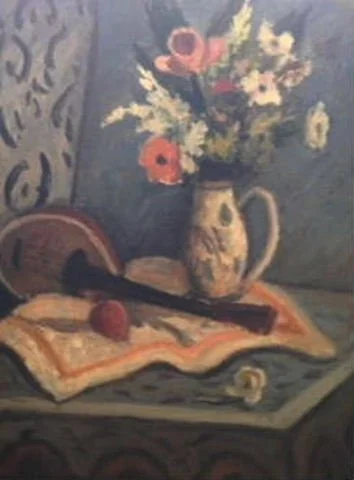
Flower with Mandolin Oil on board 36 x 24 ½ inches
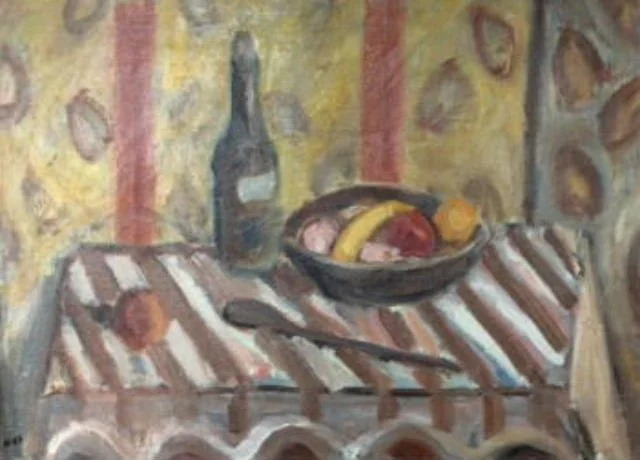
Still Life with Bottle Oil on canvas board 21 x 28 ½ inches
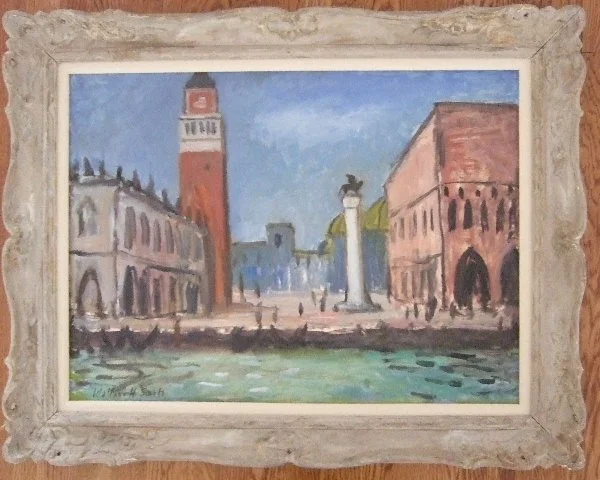
Venice Oil on panel 24 x 30 inches
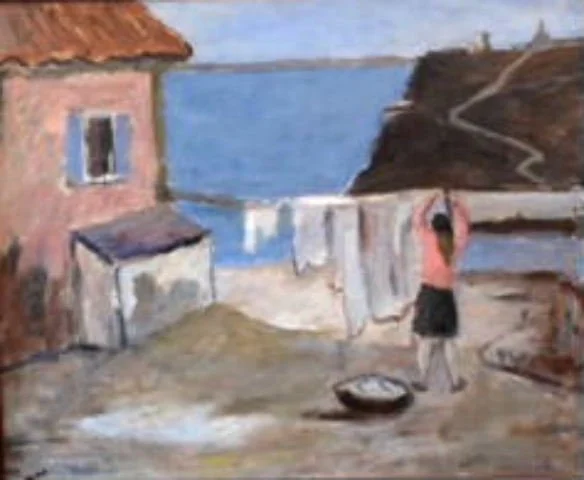
Washing Clothes Pastel on board 24 x 28 inches
b. 1901, St. Louis, MO
d. 1992, St. Louis, MO
Wallace Herndon Smith (1901–1992) was born in St. Louis, Missouri, and remained closely associated with the city throughout his career.
Born into affluence, Smith spent much of his life defending his identity as an artist. Though he painted primarily in St. Louis, he was never strictly a Regionalist. Influenced by his studies in France, Smith absorbed the attitudes and skills associated with late nineteenth- and early twentieth-century French painting while maintaining a distinctly American, and often Midwestern, perspective.
A traditional painter deeply influenced by the Old Masters, Smith found himself working against the tide of modernism. It was not that he rejected modern art outright, but rather that he questioned its limitations. Speaking of abstraction, Smith once remarked that its proponents claimed it “expresses the chaos of our times.” He disagreed, responding: “I’m not sold on the fact that art must necessarily reflect chaos. Just because there’s a puddle in the street, do I have to step in it?”
By remaining committed to traditional artistic principles, Smith often sacrificed broader public recognition in an era increasingly dominated by abstraction and experimentation.
Over the course of fifty years, Smith painted almost daily, producing more than 500 works, including still lifes, landscapes, cityscapes, marine scenes, portraits, and figure paintings. One of his earliest works, St. Louis Scene, was exhibited at the Art Institute of Chicago in 1932.
Artist Peggy Bacon wrote of her friend Wallace Smith:
“His pictures themselves are like him for their lack of flourish. They are sensitive and economical, subtly subdued in color, restrained in their rejection of the stylized, and make no attempt at the dashing effect. The landscapes in particular appear to retreat and wait for an attentive observer to come along and notice their quiet virtue... once observed they shine like an open window.”