
Joe Jones
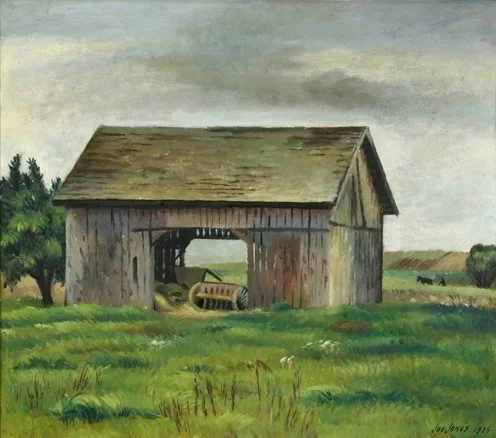
St. Charles County, Plowing the Field Oil on panel 16 x 18 inches
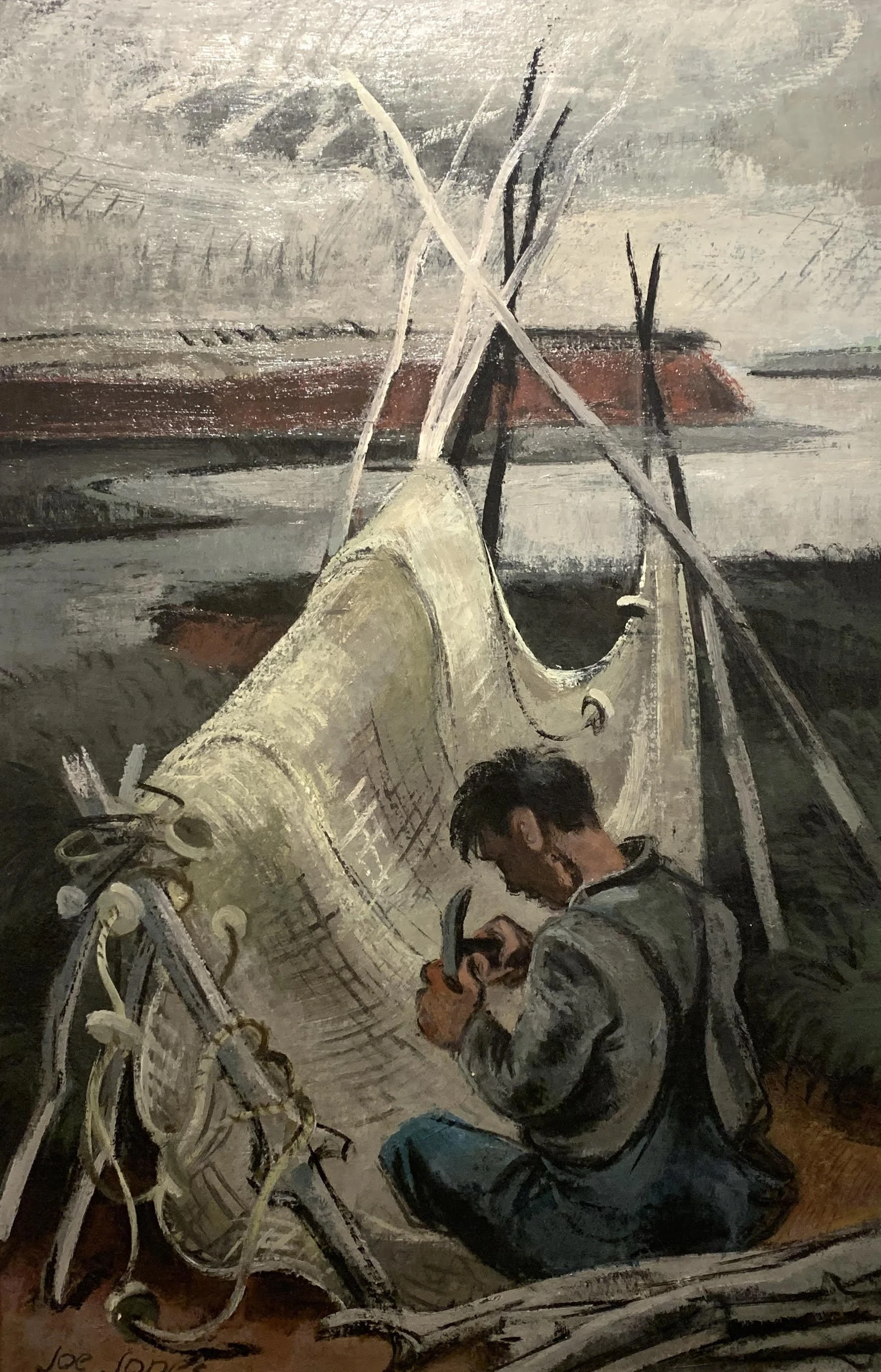
Eskimo Mending the Net, 1939 Oil on canvas 24 x 16 inches
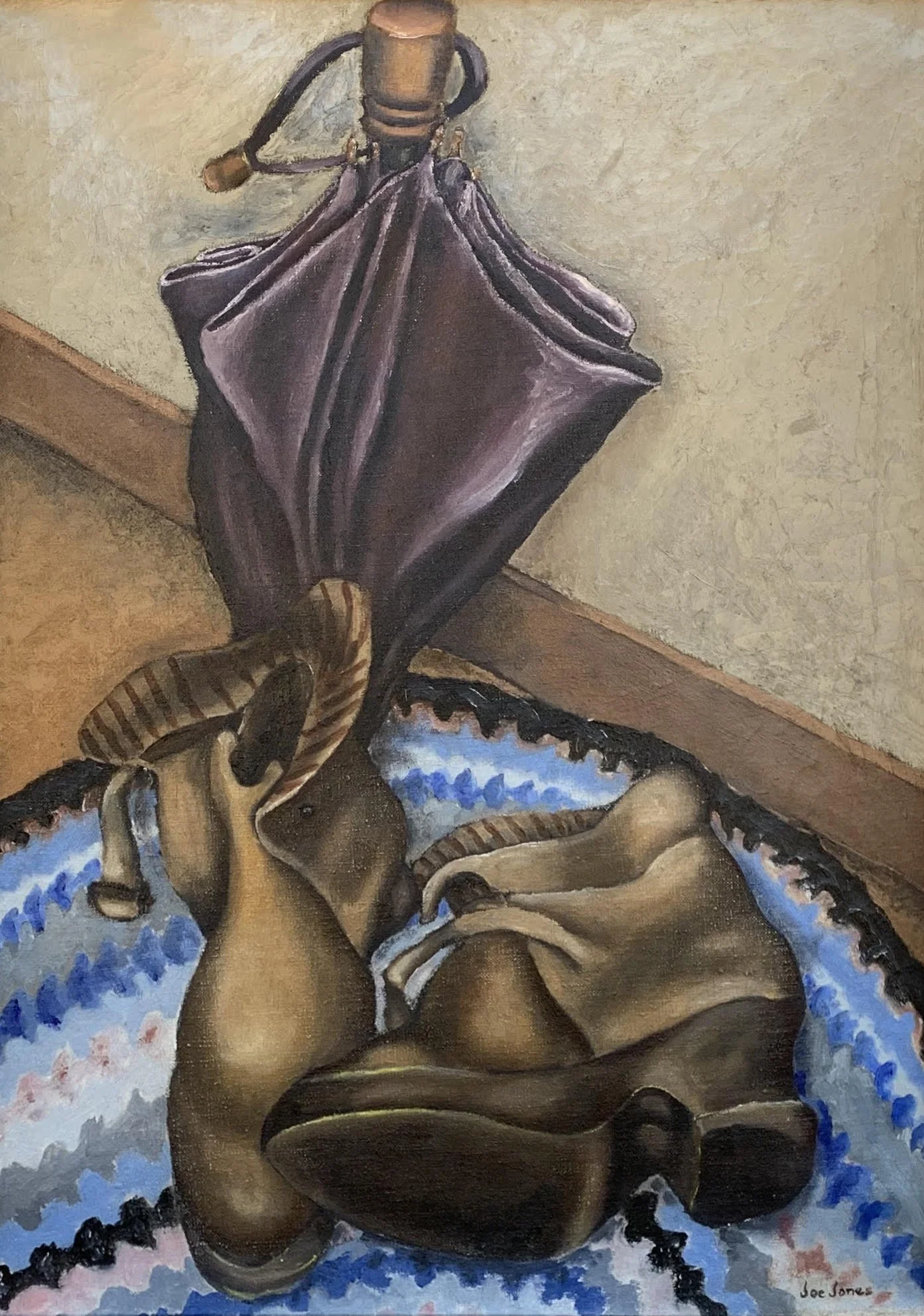
Rainy Day, 1936 Oil on canvas 30 x 22 inches
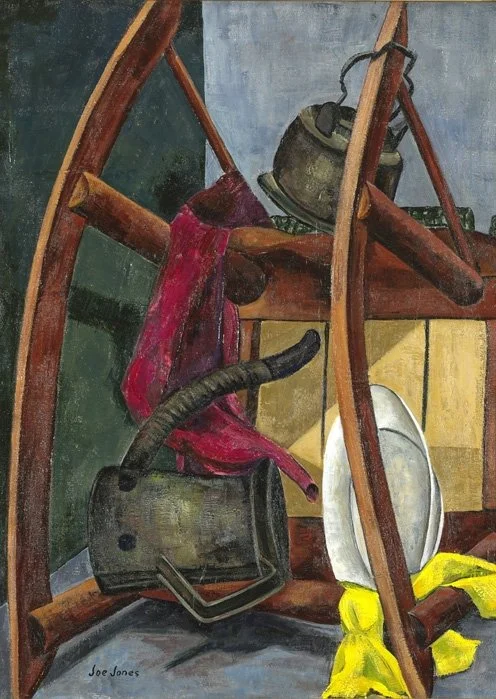
Untitled Oil on canvas 24 x 18 inches
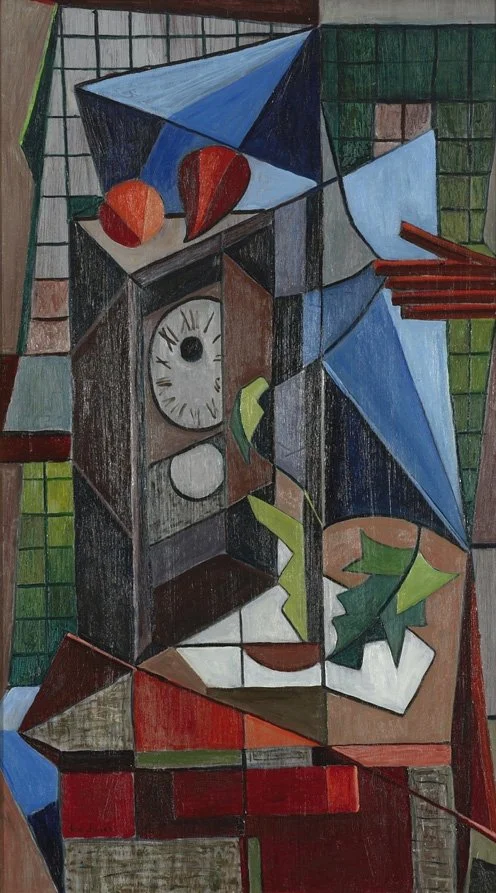
Grandfather Clock Oil on canvas 27 x 16 inches
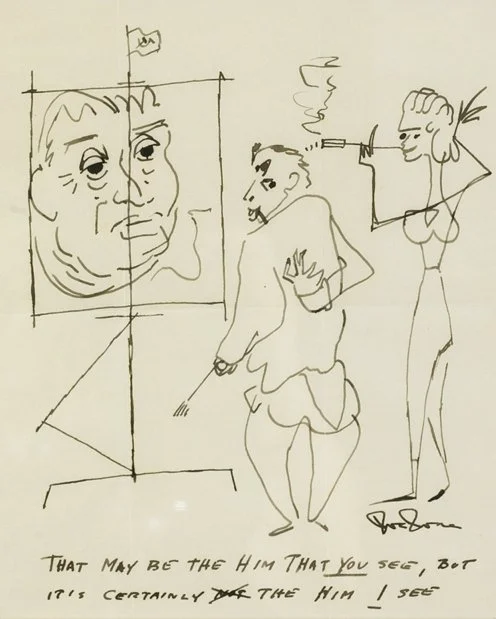
Born, 1935 Oil on canvas 16 x 18 inches
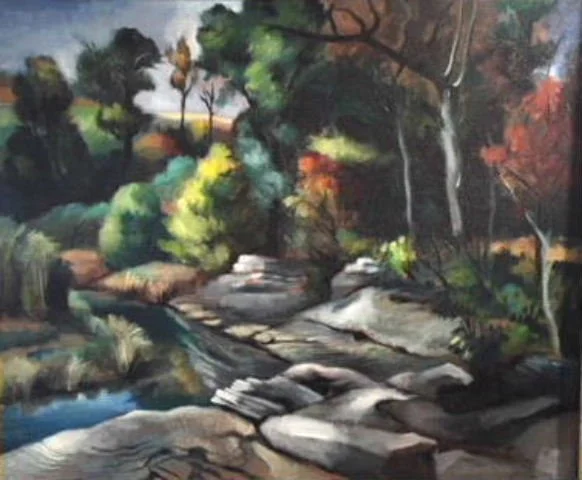
Missouri Annual
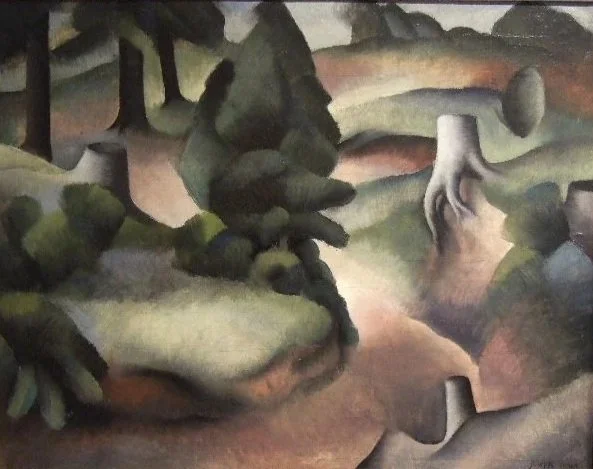
Landscape, 1931
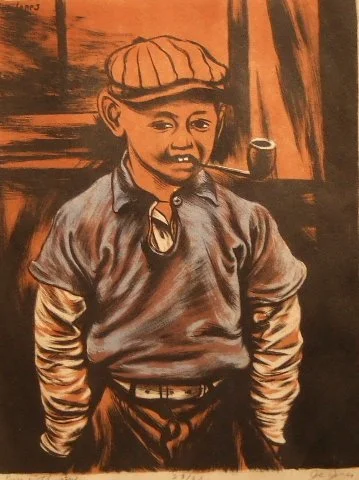
Portrait of Young Boy
b. 1909, St. Louis, MO
d. 1963, Morristown, NJ
A painter, muralist, and political activist, Joe Jones was associated with American scene painting and, for a time, worked closely with Thomas Hart Benton, with whom he remained friends. However, in the late 1940s, Jones’ style diverged dramatically from Benton’s, becoming minimalist and non-representational. His paintings run the gamut from strong social protest to sheer exuberant beauty, and “the wheat fields of the Midwest stirred his passions as much as striking workers in the height of the Depression.”
He was born on the edge of a slum neighborhood in Saint Louis, Missouri, where his father was a house painter. Jones was largely self-taught as an artist and, at age 22 in 1931, began earning awards. In 1935, he held his first exhibition in New York, which was acclaimed by poet and critic Archibald Macleish: “There is more scope, more vitality, and more promise as well as more mastery, than most artists a decade his senior.”
In 1937, he won a Guggenheim Fellowship and subsequently prizes from the Pennsylvania and National Academies.
Source: Treadway Toomey Galleries
“American Art Notes”, Autumn 1989