
Paul Cornoyer
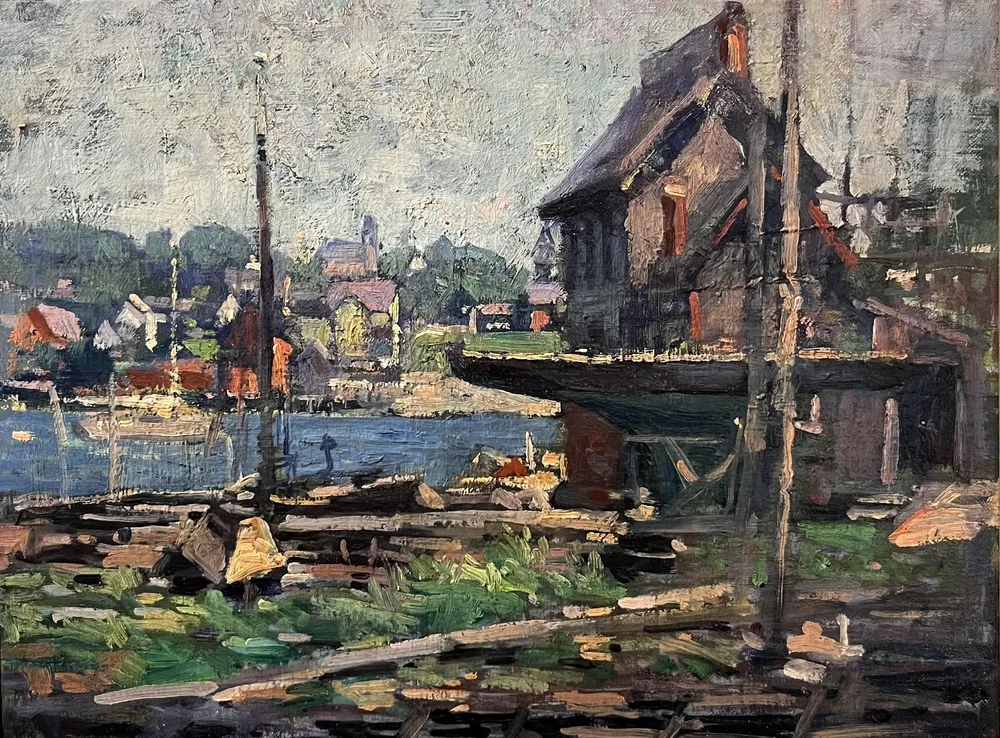
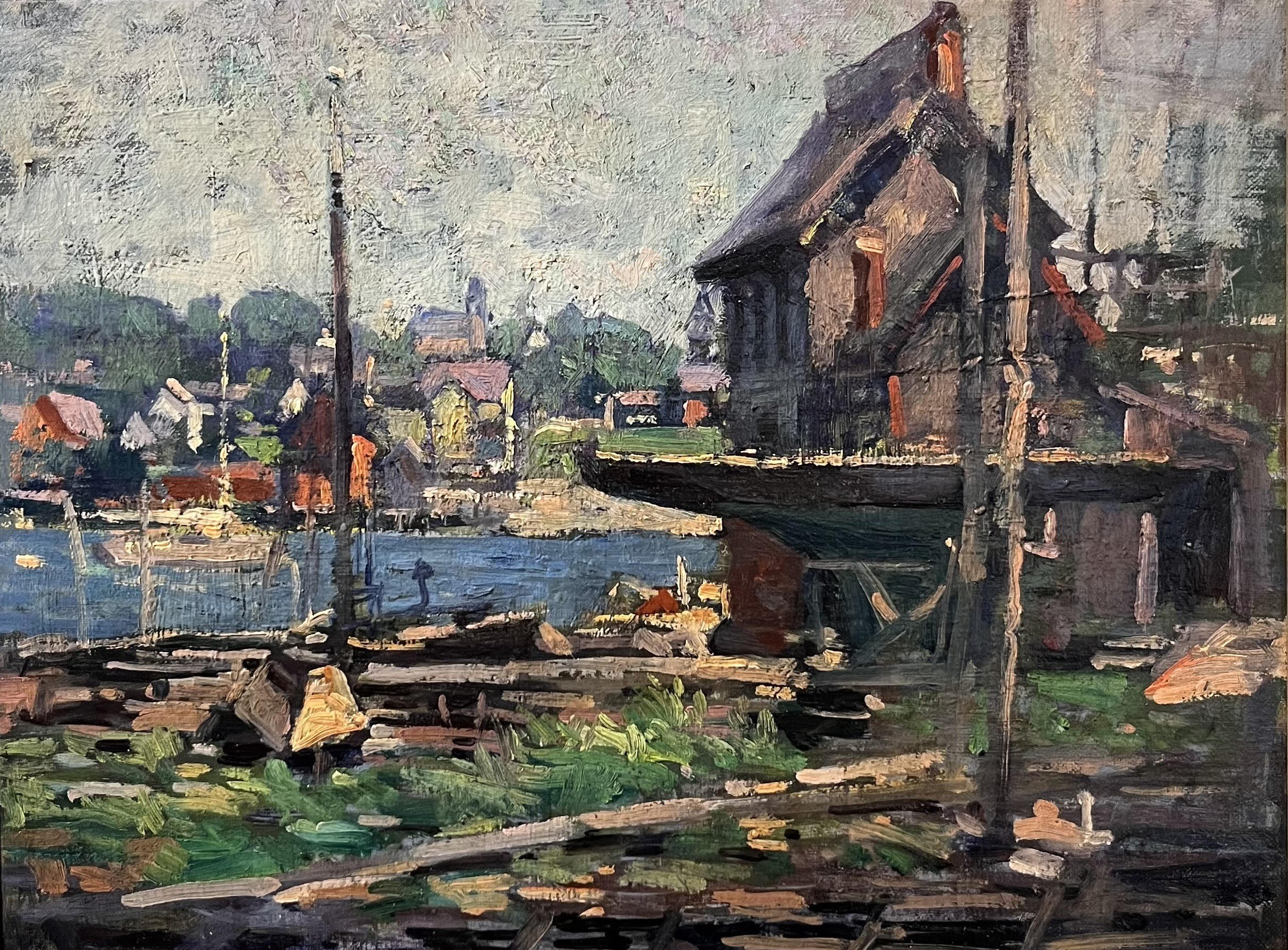
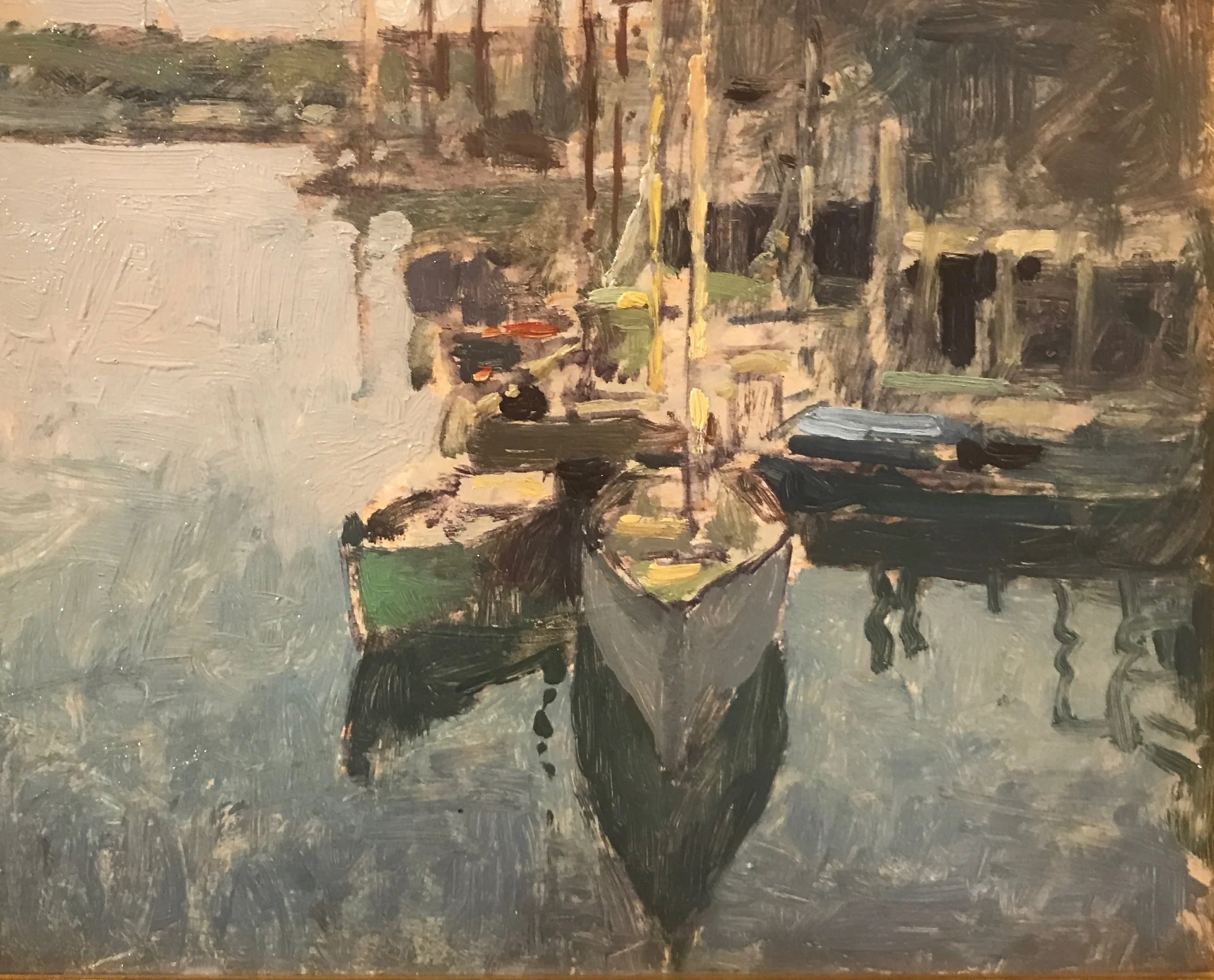
The Harbor Oil on canvas 11 x 15 inches
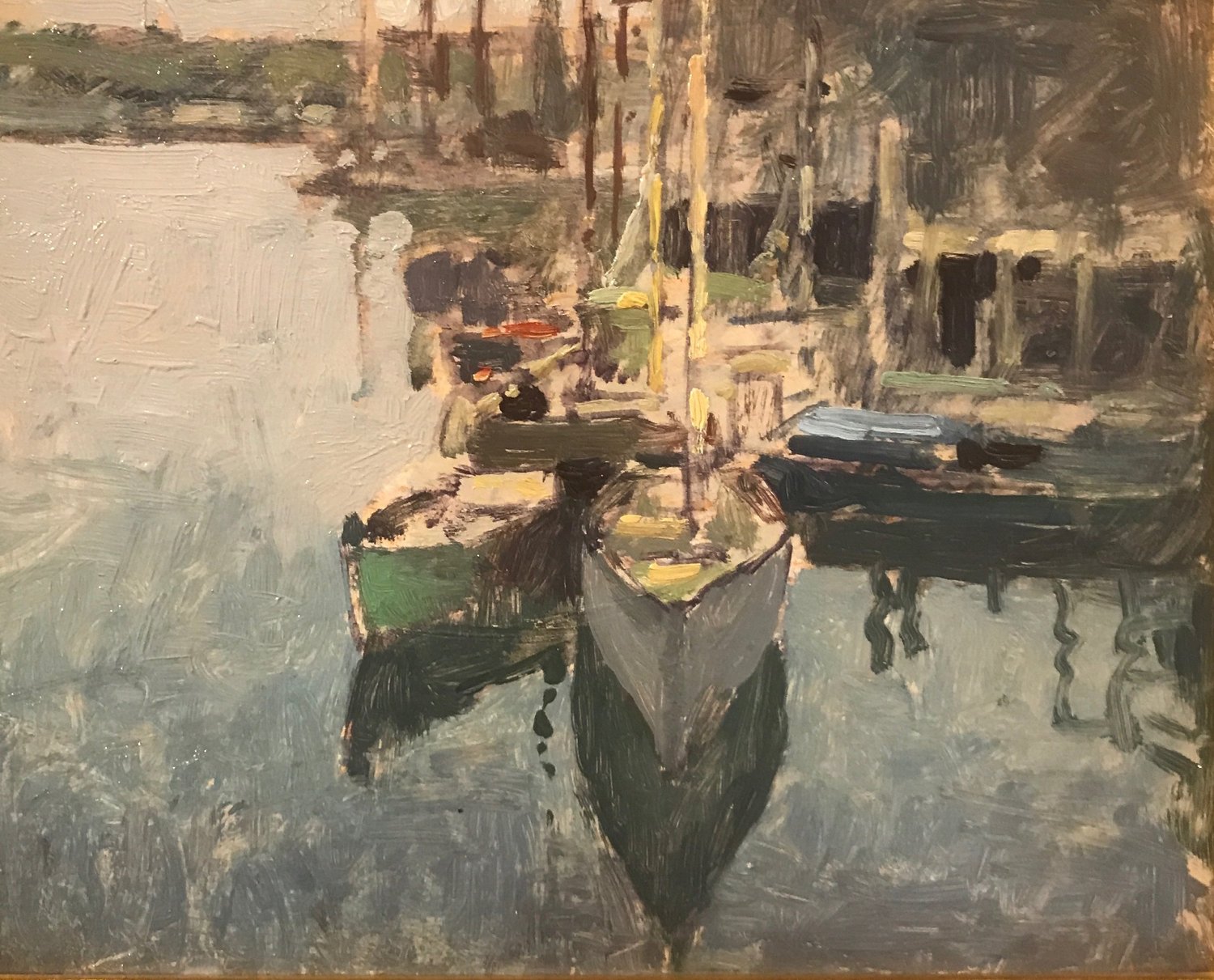
Gloucester Oil on board 8 x 10 inches
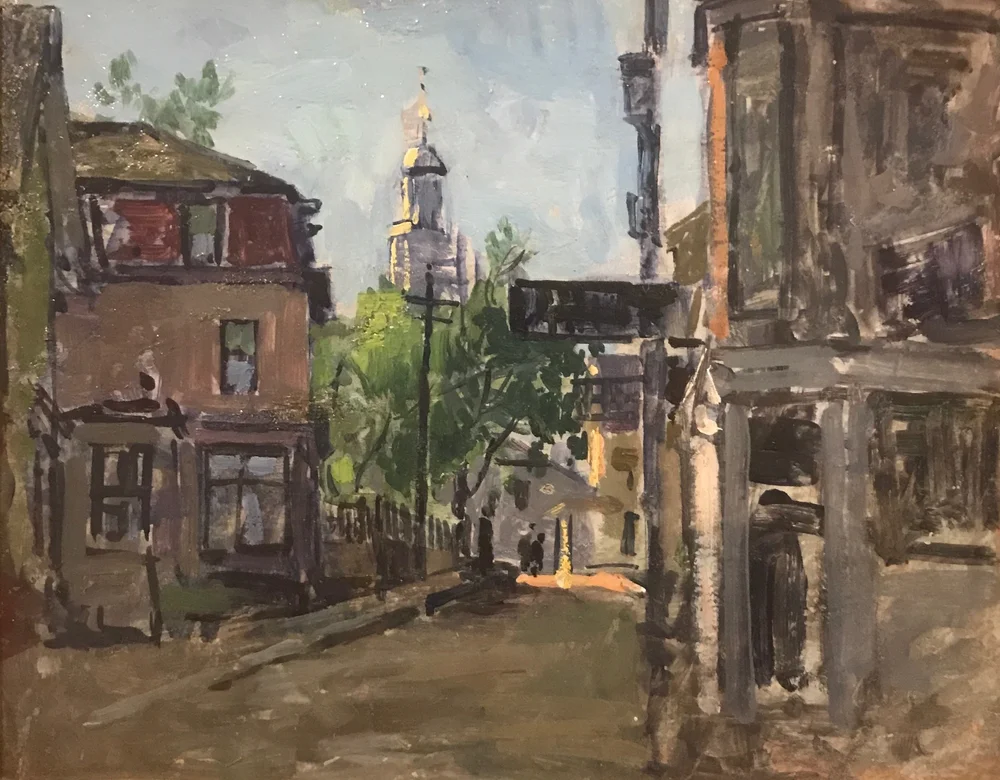
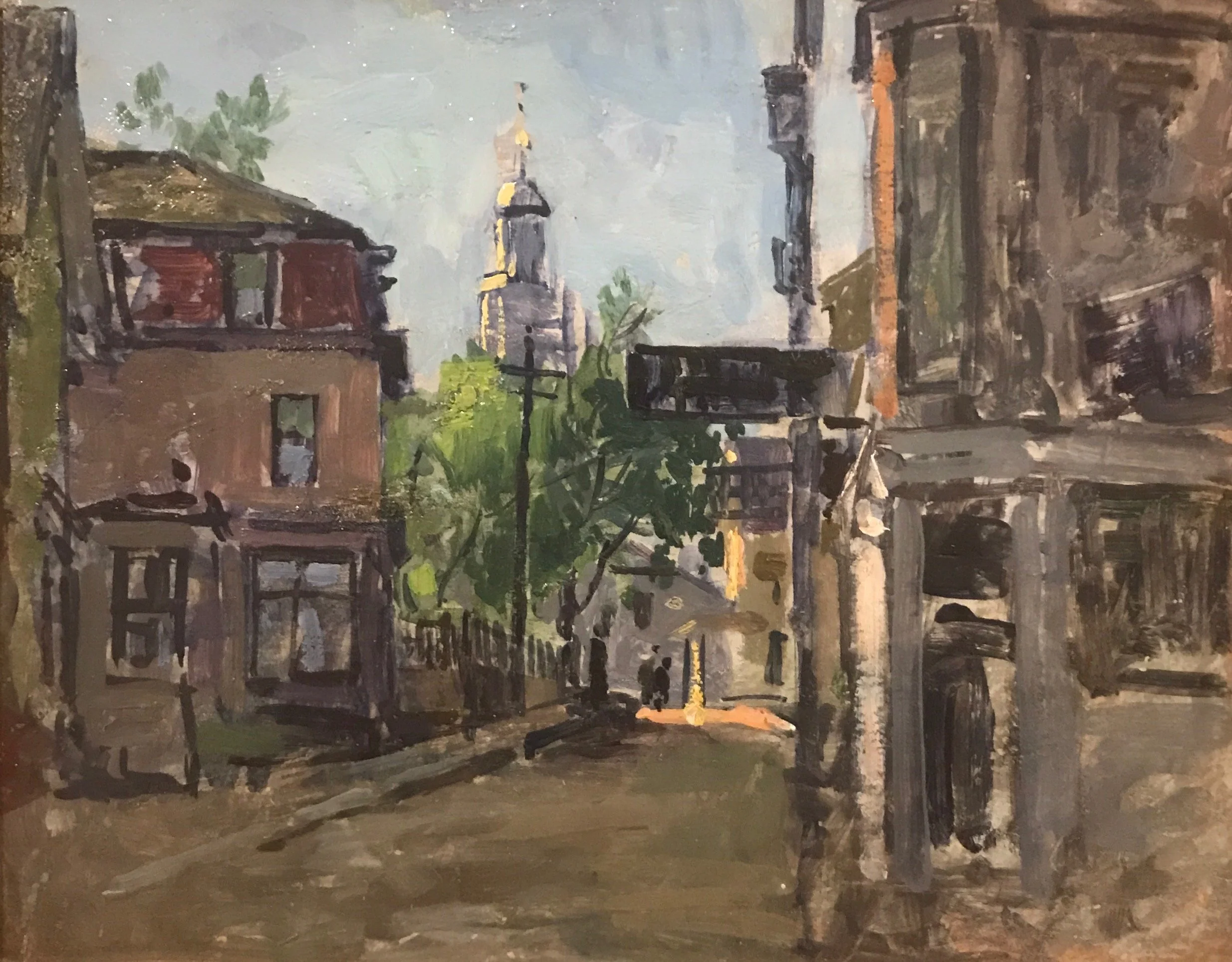
Gloucester Church Oil on board 8 x 10 inches
Street Scene
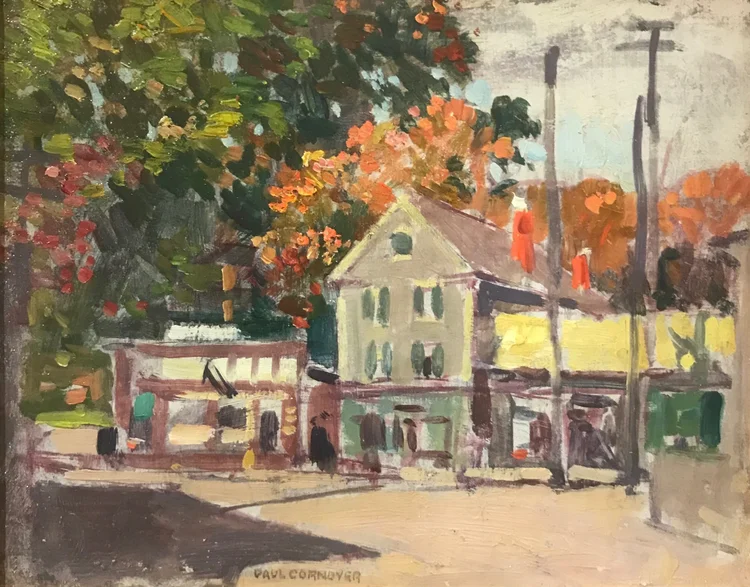
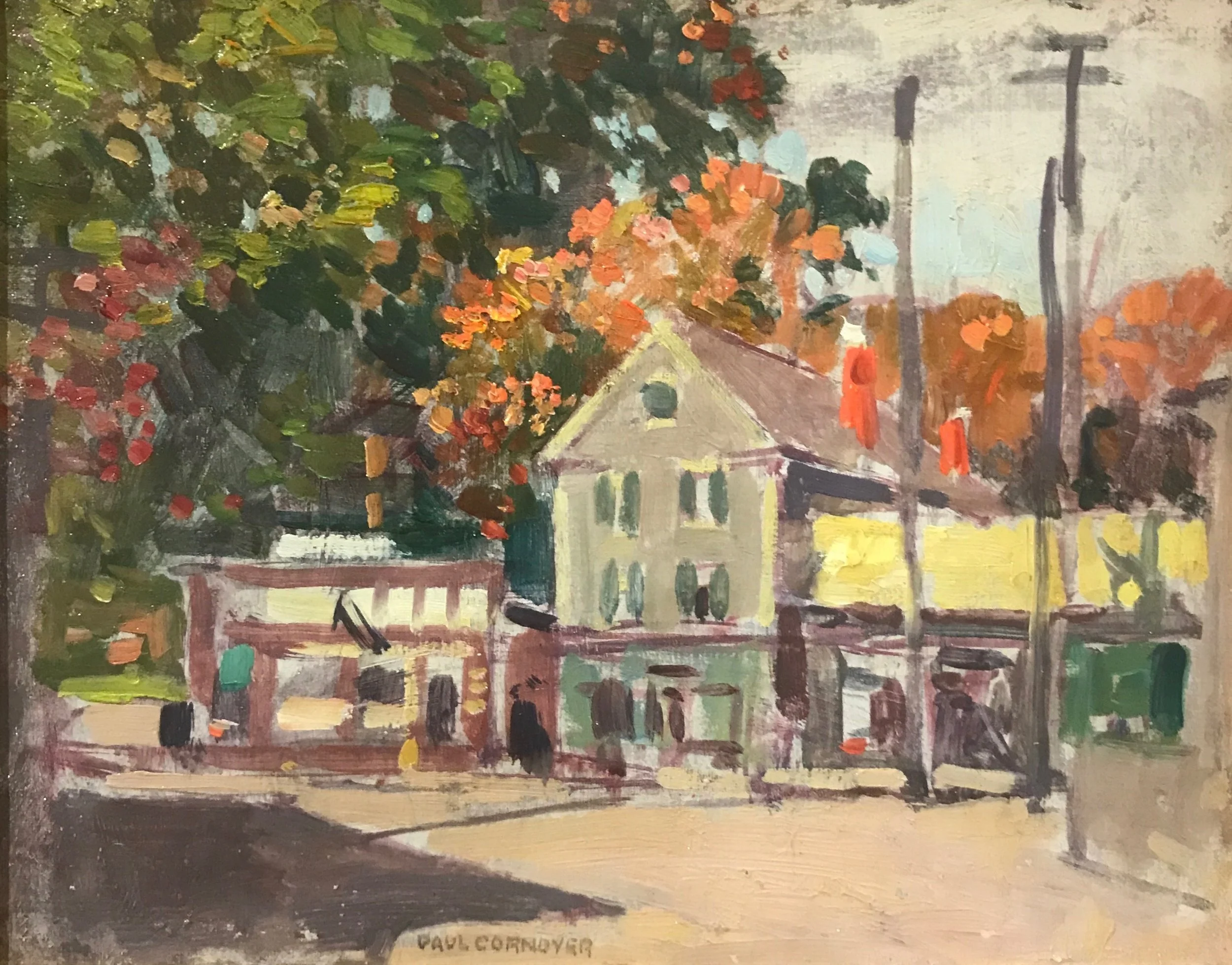
Town Oil on board 8 x 10 inches

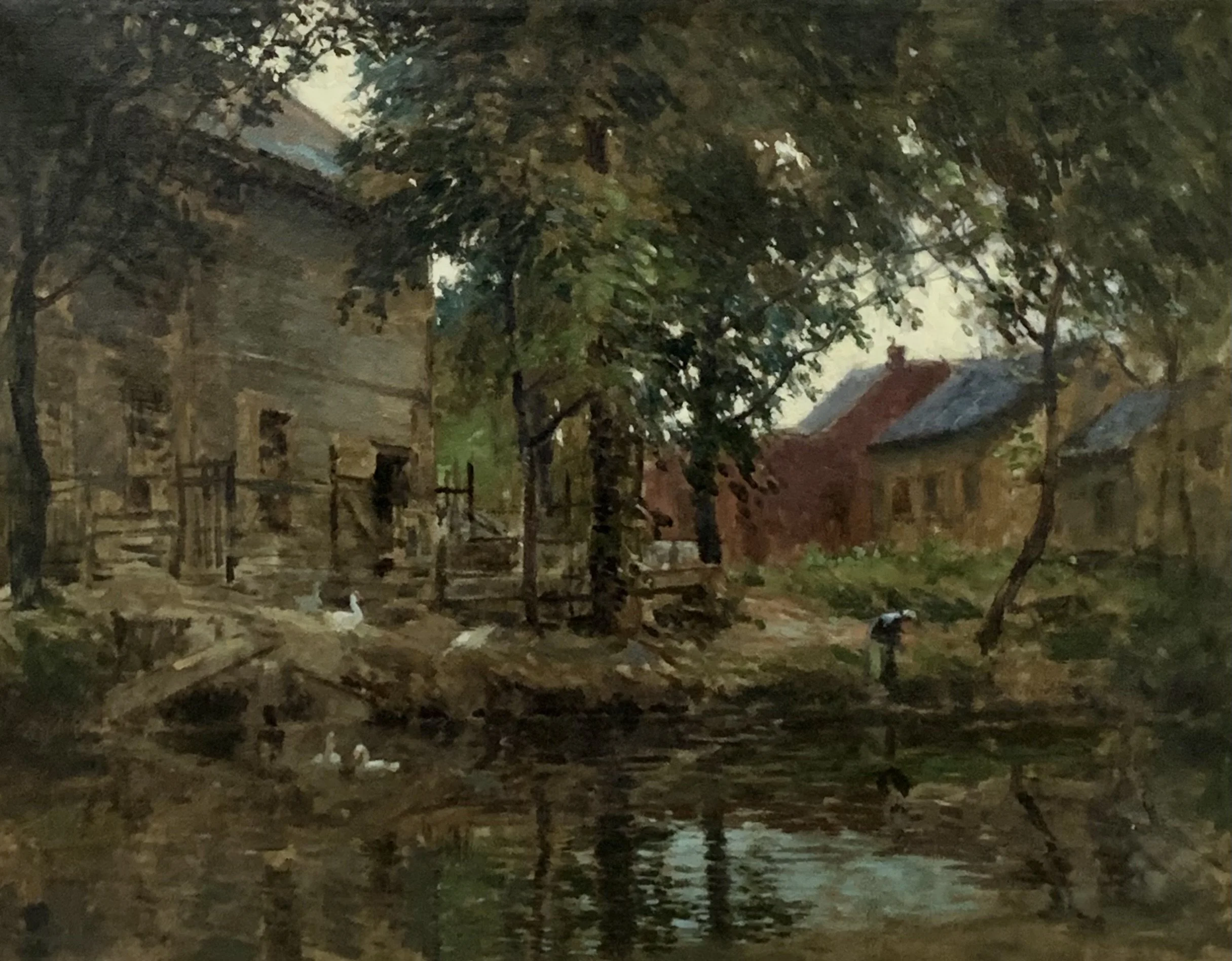
Pond Scene Oil on canvas 20 x 30 inches
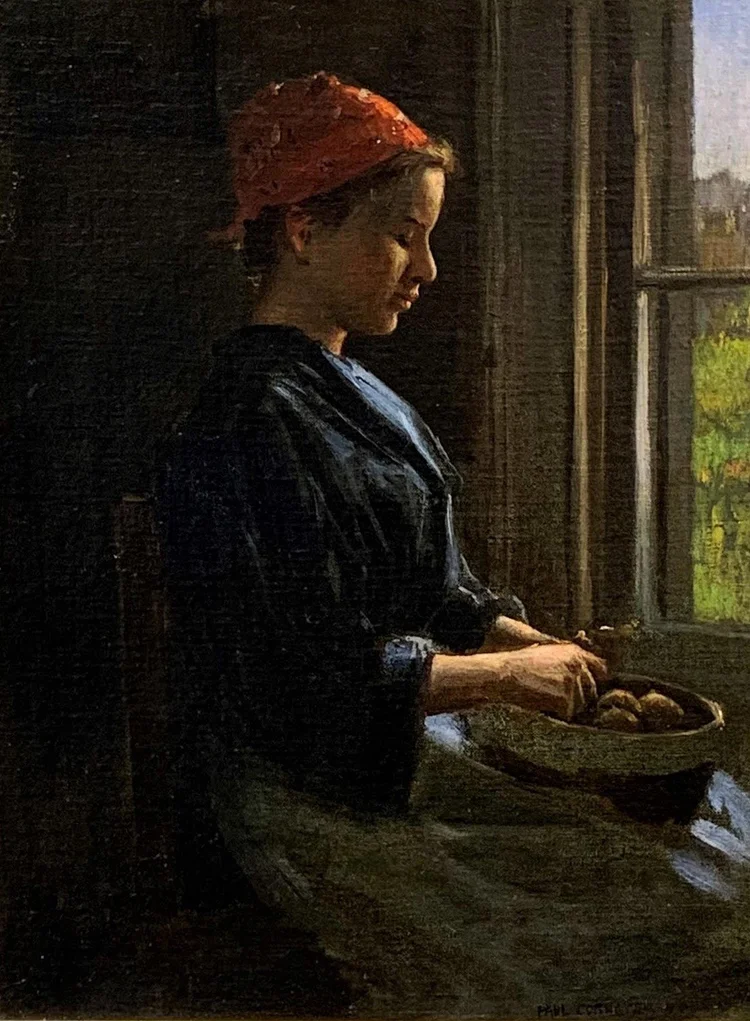
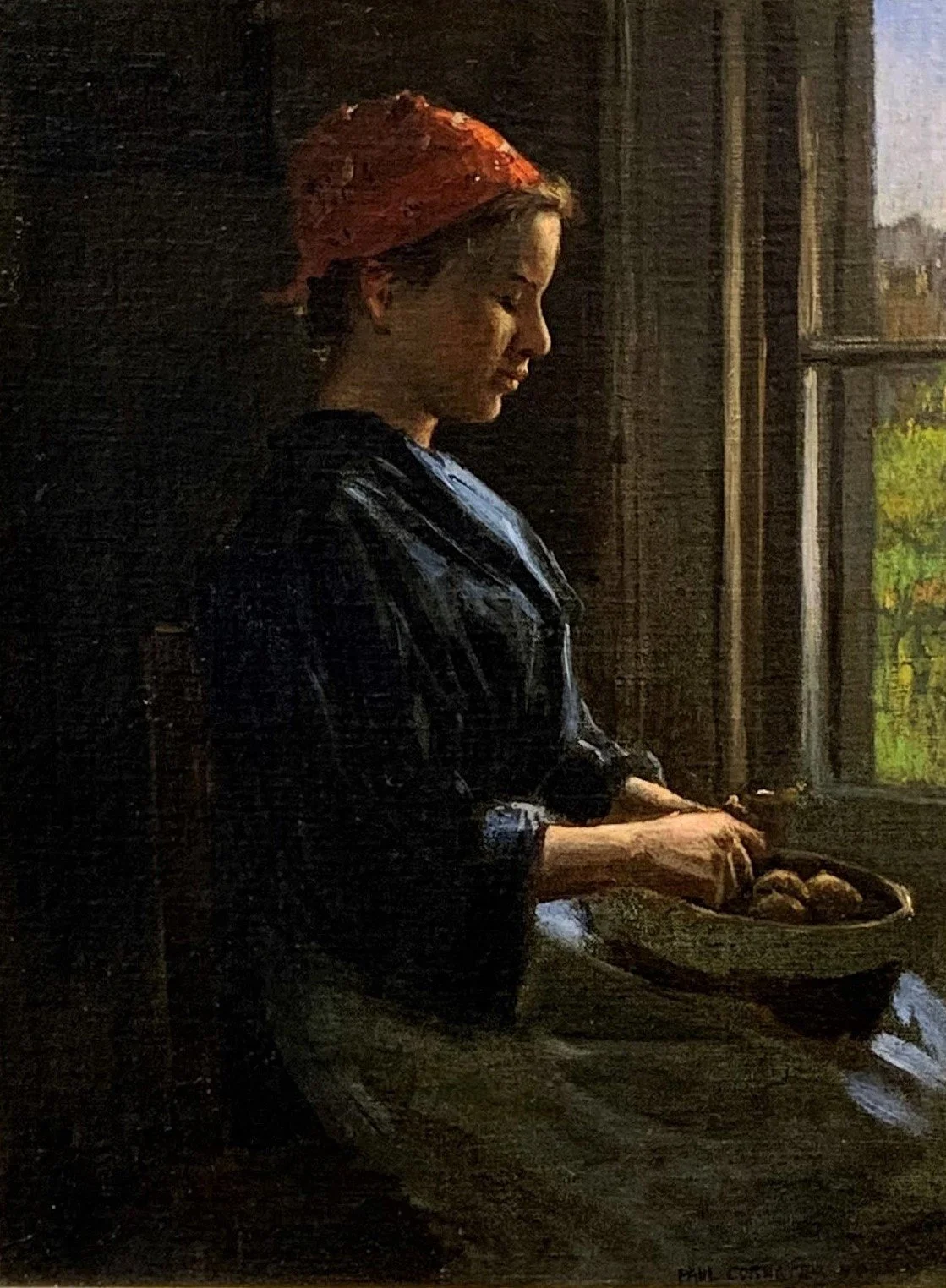
Peeling Potatoes Oil on canvas 16 x 22 inches
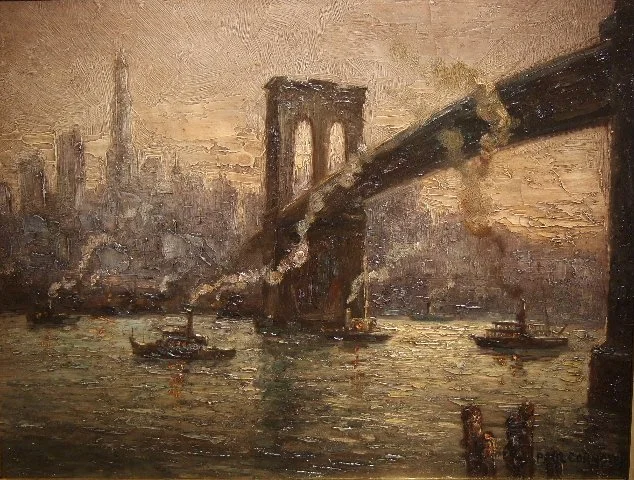
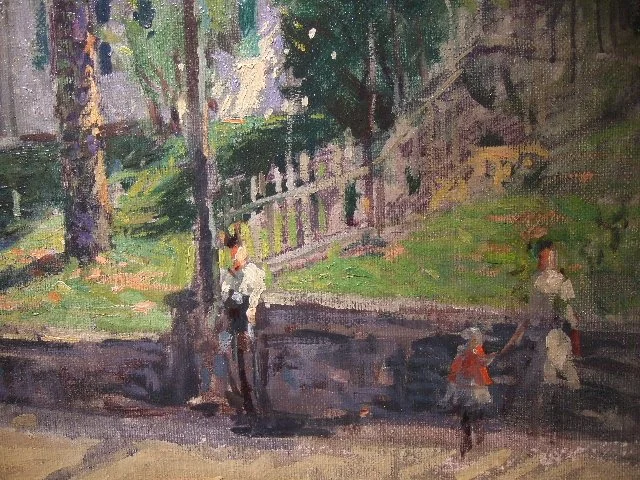
Bridge
b. 1863, St. Louis, MO
d. 1923, Gloucester, MA
Born in St. Louis in 1863, Paul Cornoyer is best remembered for his depictions of New York City. Although trained in America and influenced by the Barbizon school, Cornoyer went to Paris in 1889 for further instruction, studying at the Académie Julian with Jules Lefebvre, Benjamin Constant, and Louis Blanc. After five years, he returned to St. Louis, where he further developed the lyrical, tonal style that became central to his cityscapes and landscapes.
In 1899, Cornoyer traveled to New York City and, with the encouragement of William Merritt Chase, began his career in earnest. While in New York, he perfected his distinctive style of tonal urban scenes. His depictions of streets after rainfall, with their blurred reflections and atmospheric effects, as illustrated in his masterwork The Plaza After Rain, caught the attention of major art critics and museums. Cornoyer captured wet, mirrored pavements with remarkable precision. His gray cityscapes after rainfall, often featuring horse-drawn carriages, trees, and rows of buildings, remain among his most admired works.
Cornoyer also taught at the Mechanics Institute in New York. In 1917, he moved to Massachusetts, where he served as an instructor at several Boston institutions. He died in East Gloucester, Massachusetts, in 1923.
Member, Allied Artists of America
Member, National Arts Club
Member, Art Club of Philadelphia, 1917
Exhibited, Paris AAA, 1892; prize
St. Louis Association P&A, 1895; gold medal
Salmagundi Club, 1905; prize; 1906, prize; 1908, prize